
—The 7Rs
Seven Steps. One Whole Elephant’s Life.
Every elephant at ECC moves through the same arc, whether it takes months or years: from crisis to care, from isolation to herd, from captivity to — for some — freedom in the forest again. The 7Rs aren’t a slogan. They’re the actual sequence of work for us at ECC.
01 — Rescue
Rescue
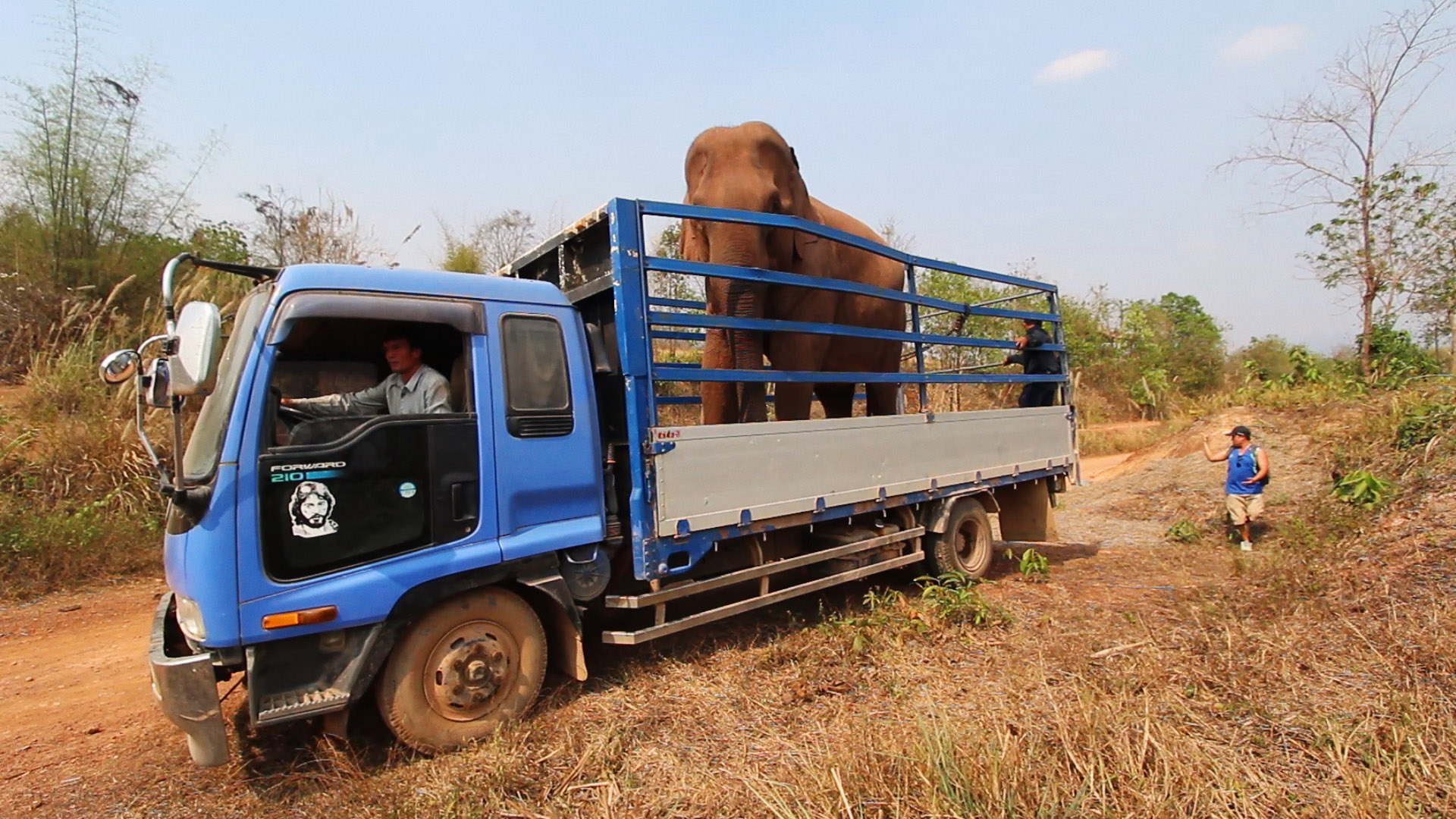
At the ECC, our work starts with rescue. All of our elephants, except those born here, have been rescued and given a second chance in a natural environment of over 530 hectares. Until 2018, most elephants in Laos worked in logging, but when the government banned illegal logging, many were left without work, sold to tourist venues, or kept for breeding. We strive to buy these elephants when available. Among our residents, 12 were rescued from an international trafficking ring.
02 — Rehabilitate
Rehabilitate
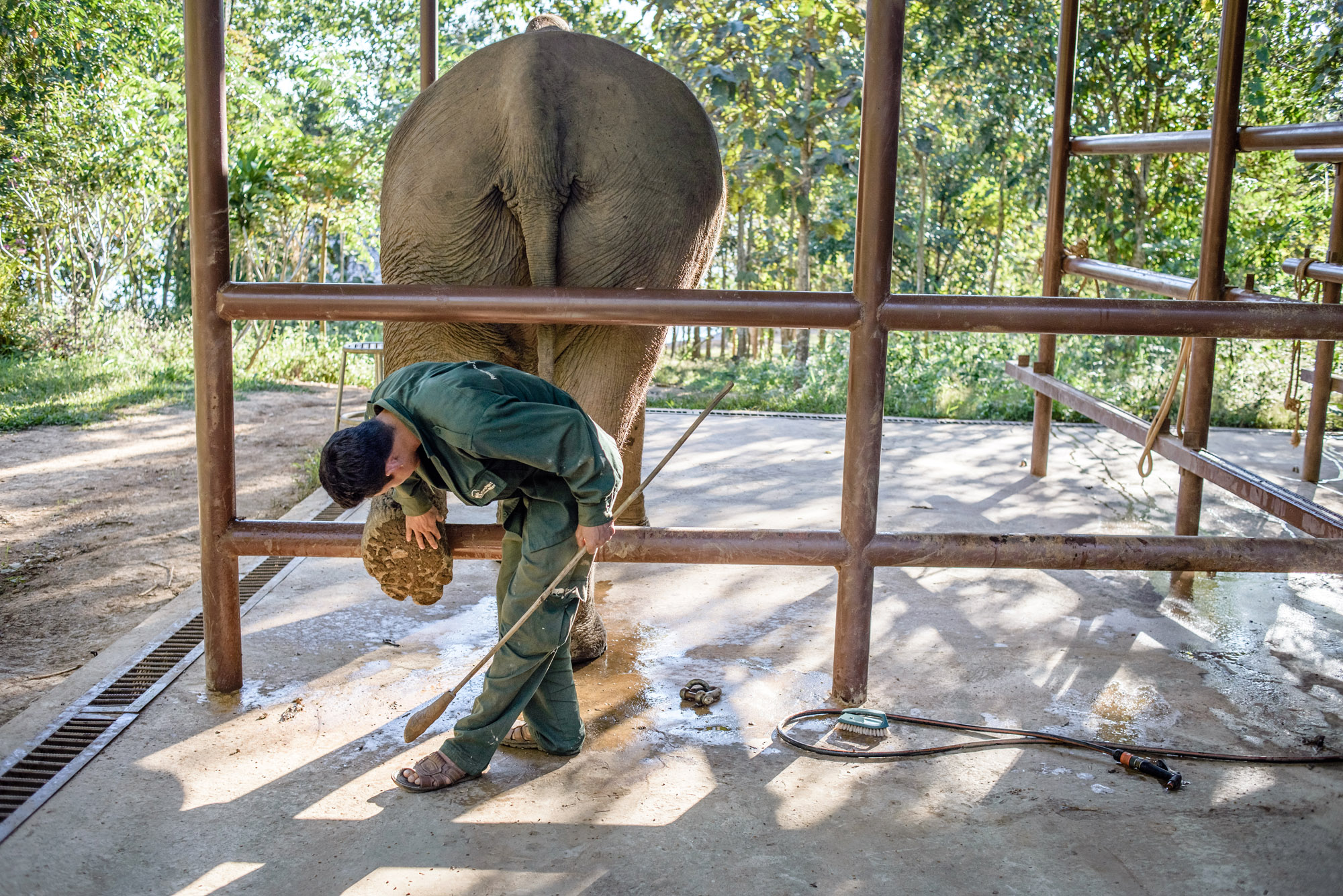
Rescued elephants often need extensive physical and psychological care. As Laos’ only elephant hospital, our Vet & Biology Department provides top-tier medical treatment and rehabilitation. With a modern facility, lab, and pharmacy, our team ensures the best care. We use positive reinforcement techniques to keep the process safe for staff and elephants. Our hospital is open to all elephants and trains veterinary students. In 2024, we launched a Mobile Veterinary Clinic (WILDMED) to expand our care beyond the Center.
03 — Reproduce
Reproduce
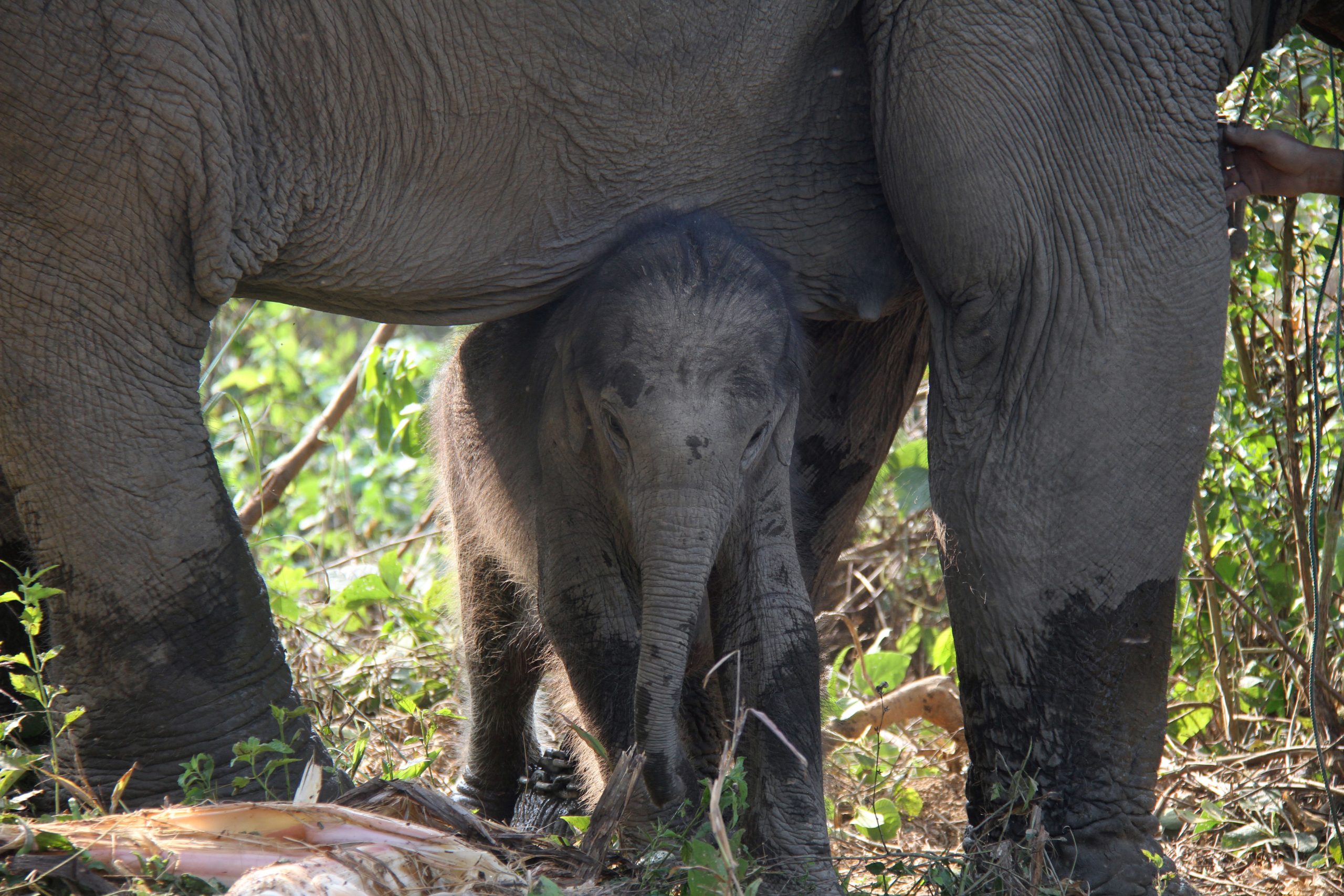
Conserving the endangered Asian elephant requires both protection and proactive efforts to maintain a sustainable, genetically diverse population. We run the only elephant breeding program in Laos, focused on increasing the population in a secure environment. A key challenge is the low birth rate among the aging elephant population, with only two births for every ten deaths annually. Our breeding program combines mahouts’ traditional knowledge with modern scientific techniques to improve reproductive success.
04 — Reherd
Reherd
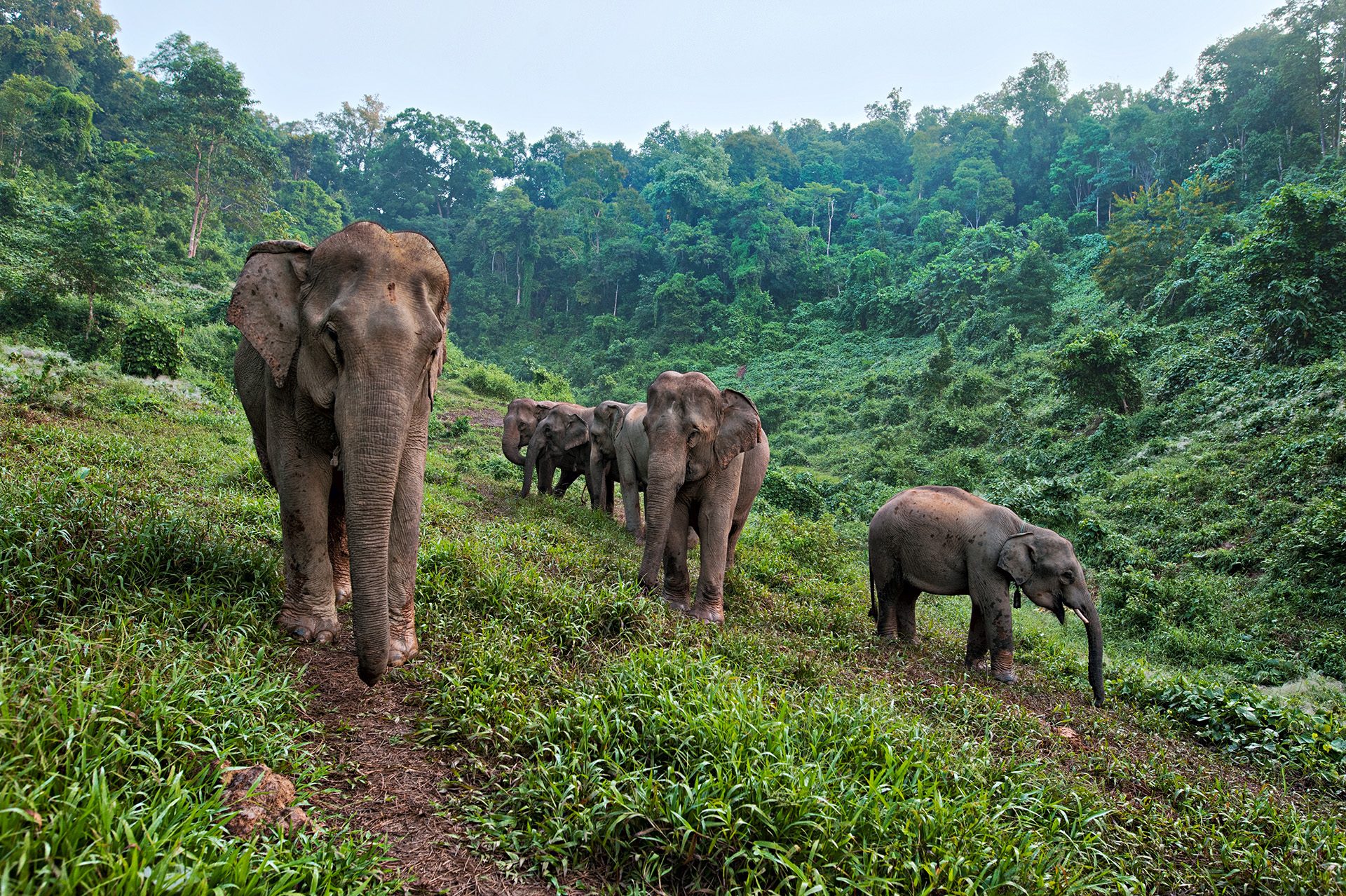
Establishing social groups among our elephants relies on understanding their natural behaviors and dynamics. Many rescued elephants at the ECC have suffered psychological trauma from isolation, exploitation, and overwork. Reintegration into social groups is therefore delicate and complex. Our caretakers and biologists carefully observe each elephant’s behavior, focusing on interactions, communication, and social preferences — the company they were denied.
05 — Rewild
Rewild
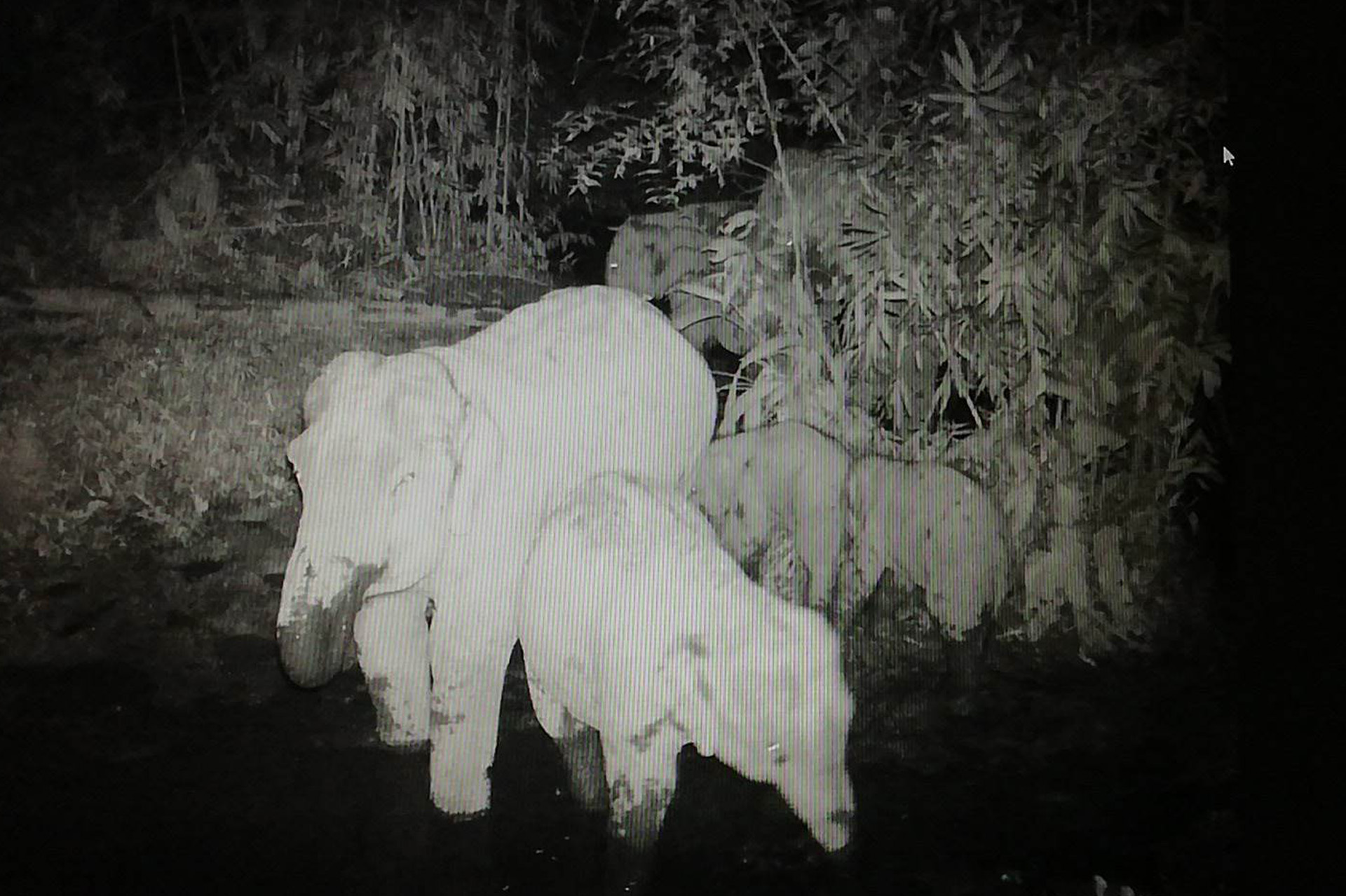
Rewilding elephants stands as one of our most ambitious and transformative objectives. Our programme is the sole initiative in Laos dedicated to the successful reintroduction of elephants into their natural habitat. In 2019, we achieved a landmark milestone by successfully reintroducing four elephants into the Nam Pouy National Protected Area — physically prepared, and socially and behaviourally equipped for life in the wild.
06 — Research
Research
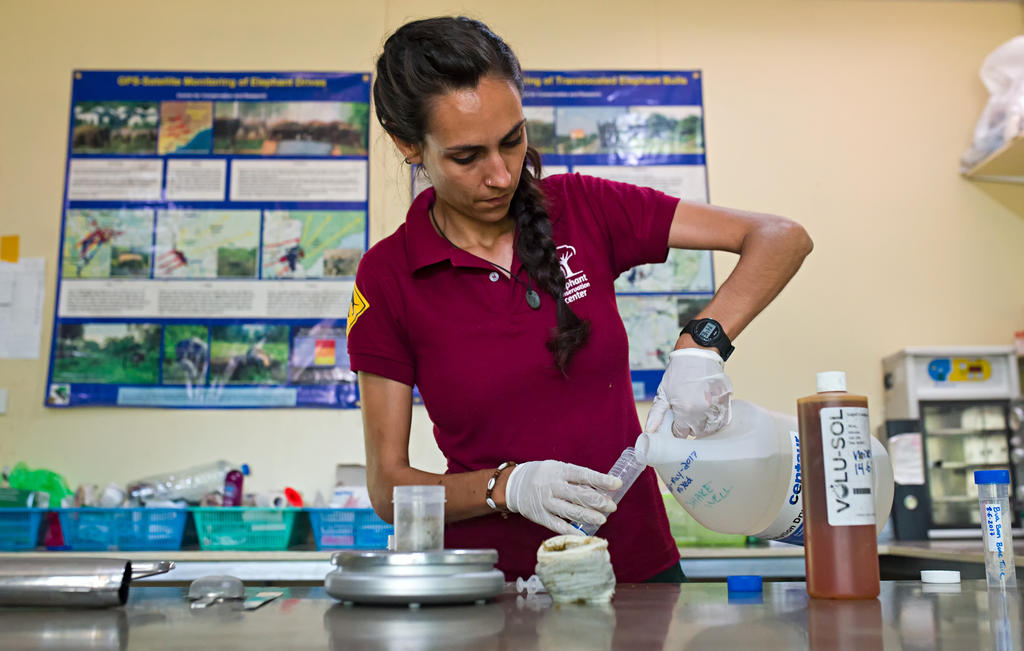
Our research integrates traditional knowledge with contemporary scientific methods. The ECC is equipped with an endocrinology lab, a diagnostic lab, and a DNA lab developed with the Smithsonian Conservation Biology Institute. These laboratories support work on hormonal cycles, musth, stress, and breeding, strengthened by experts in the IUCN SSC Asian Elephant Specialist Group.
07 — Respect
Respect
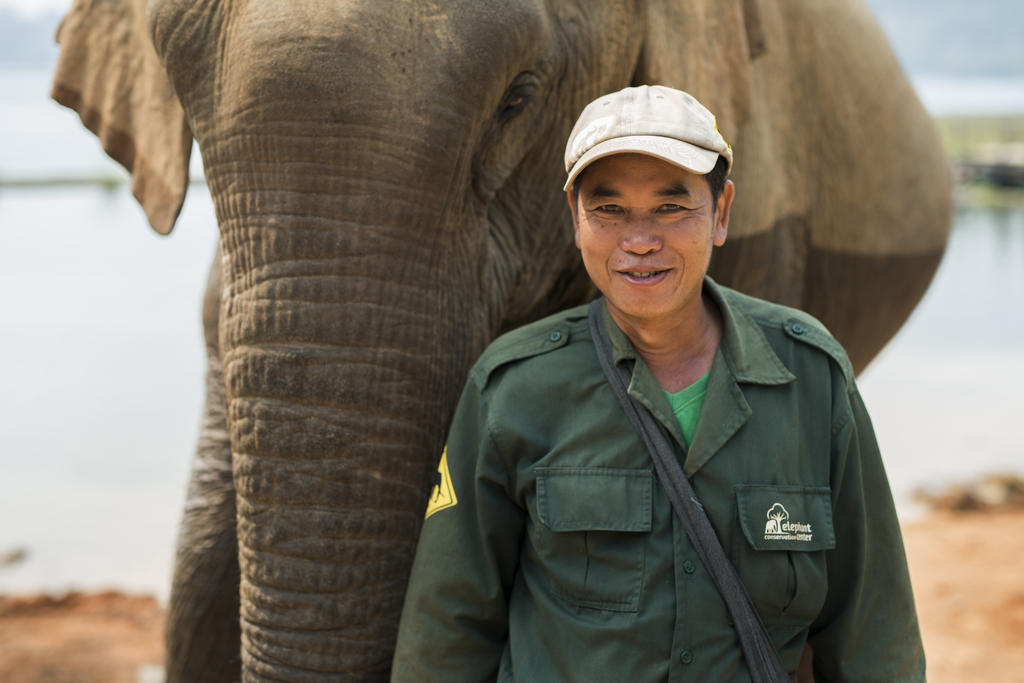
Respecting elephants means safeguarding both their natural habitat and the cultural heritage of their human caretakers. We train and support a dedicated ranger team in the Nam Pouy National Protected Area, and we hold Lao mahouts and their traditional knowledge in high regard. The ECC collaborates with local communities through scientific tourism, environmental education, and alternative agriculture.